 Express
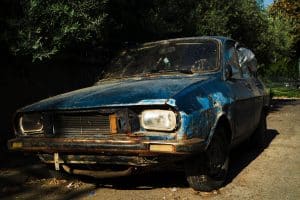
Old cars have a strange pull. You tell yourself you’ll keep it a bit longer. You know every sound it makes. You trust it more than you trust some people. But after a few years, the bills creep in. What once felt cheap starts feeling like a weight. In Australia, owning an old car sometimes costs far more than anyone expects. Most folks hold onto them thinking they’re saving money. But the old car cost doesn’t show up all at once. It arrives in pieces, repairs, fuel, breakdowns, paint issues, rego. And before you know it, the “cheap car” becomes the expensive one.
What Is Considered an “Old Car” in Australia?
Most Aussies start calling a car “old” once it crosses 10 years or 150,000 km. Some last longer, some fall apart sooner. Age hits value hard. And safety. And performance. A car that used to feel solid suddenly needs constant attention. Every few months, something new demands money. That’s when the cost of old car ownership starts to sting. Parts aren’t as easy to find. Mechanics take longer. And the list keeps growing. Eventually, the car becomes more of a project than transport.
The Real Cost of Old Car Ownership
Regular Maintenance Costs Rise With Age
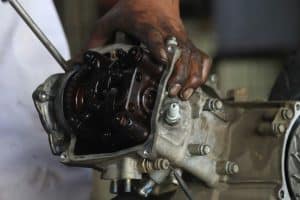
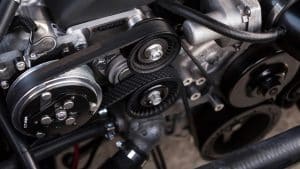
Once a car gets old, servicing becomes more frequent. What used to be simple now turns into a list. Belts, hoses, bearings, mounts, they all wear out faster. Even small things start failing. The engine loses efficiency. The suspension sags. Electrical problems show up out of nowhere. And none of it is cheap. This is where old car repair slowly chips away at your budget. You don’t notice at first. But over a year, it adds up to more than you’d like to admit.
Unexpected Repairs: When Things Start to Break
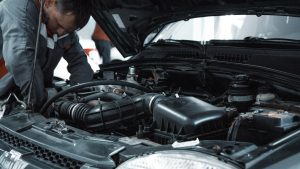
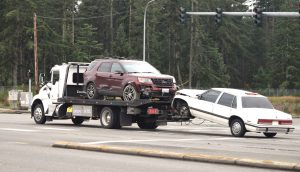
Breakdowns become part of life with older cars. One month the alternator goes. Next month, it’s the radiator. Then a sensor. Or the starter. Most Australians who drive ageing cars eventually ask the same question: how much does it cost to fix an old car this time? Some repairs are small. Some hit you like a punch. And half the time, the repair ends up costing close to what the whole car is worth. It’s frustrating. Repairs don’t wait for a good moment. They show up when you least need another bill.
Is It Worth Repairing an Old Car?
When Repairs Cost More Than the Car Is Worth
There’s a point where you have to stop and think. Is it worth repairing an old car that keeps swallowing money? A good way to judge it is the repair-to-value ratio. If a car is worth $1,500 and the repair is $1,200, it doesn’t make sense. Big repairs like engines, transmissions, ECUs, these can be the final straw. These jobs often cost more than the entire vehicle. And that’s when the car stops being an asset. It becomes a bill.
When It Is Still Worth Repairing
But not all old cars are bad news. Some have low kilometres. Some are well cared for. Some only need minor attention to stay on the road. If the fix is cheap and the car still runs comfortably, continuing makes sense. Sentimental value also plays a part. You can’t put a price on memories. For some, old car repair is still a better option than taking on a new loan.
Specific Costs to Consider With Older Cars
How Much Does It Cost to Fix an Old Car in Australia?
Here’s where things get real. Common repair price ranges in Australia:
- Minor electrical fix: $150–$350
- Alternator replacement: $400–$900
- Radiator replacement: $350–$700
- Suspension repairs: $600–$1,200
- Engine rebuild: $2,000–$5,000+
- Transmission replacement: $2,000–$4,500+
Different brands have different prices. European cars cost more. Old 4WDs can be expensive. Small hatchbacks are cheaper. But no matter what you drive, the older it gets, the more the numbers rise.
How Much Does It Cost to Paint an Old Car?
Paint fades faster on old cars. Sun damage, scratches, peeling a clear coat, all normal. But paint jobs aren’t cheap. A simple respray can cost $1,000–$2,500. A proper full repaint can hit $4,000–$8,000. It’s only worth doing if the car still holds value. Otherwise, how much does it cost to paint an old car becomes the question that tells you it’s time to move on.
Rising Fuel Costs Due to Inefficiency
Older engines drink more fuel. Combustion isn’t as smooth. Wear and tear makes them less efficient. This adds a big chunk to the long-term old car cost. A newer car can travel the same distance on less fuel, which means less money spent over the year. Even if you ignore repairs, fuel alone becomes the silent cost that pushes drivers toward upgrading.
Insurance and Registration Costs
While old cars sometimes have cheaper insurance, not always. Older vehicles with high risk histories or outdated safety features can attract higher premiums. In NSW and other states, you might also need additional inspections like the pink slip. Those fees stack up every year. Not huge amounts, but enough to feel like another drip in the bucket.
Signs Your Old Car Is Becoming Too Expensive to Own
There are always warning signs:
- You’re visiting the mechanic too often
- Parts are getting harder to find
- Safety issues keep showing up
- The car’s value has dropped to almost nothing
- You don’t trust it on long drives
- You’re spending more in repairs than its worth
These are all hints the car is slowly turning into something not worth repairing anymore.
What to Do When an Old Car Is No Longer Worth Repairing
Sell Privately or to a Dealer
You might get a little money, but old cars don’t always attract buyers.
Trade It In
If it still runs decently, a trade-in might give you a small discount on your next vehicle.
Sell It to a Cash for Cars Service
When the car isn’t worth fixing, a cash for old cars service is often the quickest escape. They take cars in almost any condition. Not roadworthy. No convincing anyone to buy it. Just a simple handover.
Express Cash for Cars offers instant payouts and handles cars that no longer make financial sense. It’s straightforward and spares you the hassle of repairs, ads, and waiting.
Final Verdict: Is Owning an Old Car Worth It in Australia?
An old car can be great until it isn’t. There’s a point where the numbers stop making sense. High repairs, bad fuel economy, paint damage, low resale, it all adds up. The best approach is simple: compare your yearly repair costs with the car’s actual value. If you’re losing money, it’s time to decide whether fixing it is worth the trouble or if selling it is the wiser move.