 Express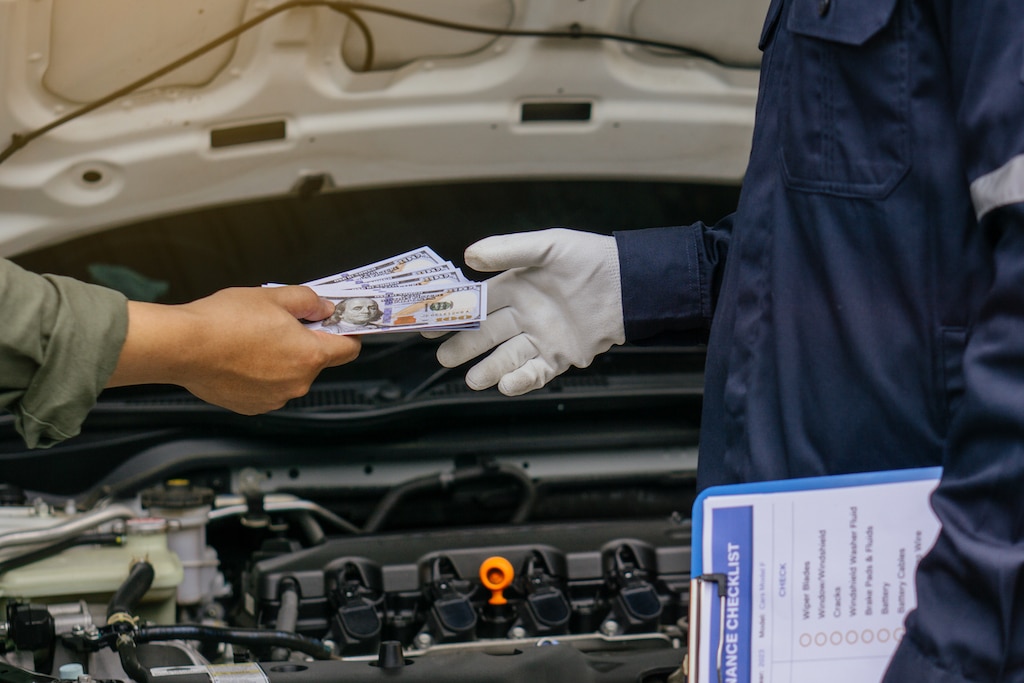
There comes a point where a car just doesn’t feel worth fixing anymore. You look at the bill. You look at the car. And you think, “Why am I still trying?” It happens to a lot of people. Sometimes slowly, sometimes all at once. This guide helps you spot the signs before you pour more money into something that won’t pay you back.
1. Understanding When a Car Becomes “Not Worth Repairing”
People start asking questions like “is it worth repairing my car?” when repairs keep popping up, or when the car feels tired. Others ask “is my car worth repairing?” after a mechanic gives them a number they weren’t ready for.
A “car not worth repairing” moment usually shows up when the repair bill, the age, and the condition stop lining up in your favour. When the car value drops and the repair bill rises, the maths stops making sense.
It isn’t one thing. It’s everything together. The cost. Safety. The years. The stress. One day you realise the car is demanding more than it gives back.
2. Sign #1: The Repair Costs Are More Than the Car Is Worth
This is a big sign. When a mechanic hands you a quote and it’s close to or higher than what your car is even worth.
If the car repair cost more than worth, the effort starts feeling pointless. You pay a big amount, but the car won’t increase in value. If anything, it keeps dropping.
Many owners end up facing situations where the repairs cost more than car is worth. Or the car repairs cost more than car is worth because more problems show up right after the repair. One thing fixed. Two more things break.
Older cars fall into this a lot. They don’t hold high value, but the repair prices stay high. Before you know it, the car repairs more than car is worth and the car becomes a money trap.
3. Sign #2: Your Car Needs Frequent, Ongoing Repairs
A car is supposed to give you some peace. Not be a monthly guest at the workshop.
When repairs keep coming back, you lose both money and trust. One issue ends, another starts. And yes, small repairs add up fast. With the average car repair costs rising in Australia, even “minor” jobs can hurt your budget.
Once the pattern starts; leak, noise, sensor, warning light, the car is usually heading toward its ending stage. That’s when it becomes pretty clear it’s not worth repairing anymore.
4. Sign #3: Major Mechanical Failure (Engine, Transmission, Head Gasket)
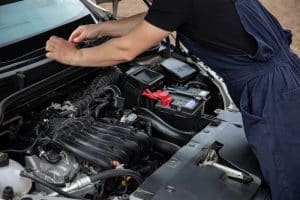
This one hits hard. When a mechanic says “engine problem,” your stomach drops. Same with transmission issues or a blown head gasket. These repairs are high-cost and high-stress.
This is when people start wondering “when is it not worth repairing a car?” because these repairs don’t just cost a lot today. They often bring more problems later.
It’s like trying to revive something that doesn’t want to stay alive.
5. Sign #4: Your Car Is Old and Depreciating Fast
You know a car is getting old when every part feels tired. You start questioning things like “is it worth repairing an old car?” because you sense the car doesn’t have many good years left.
Older cars usually face:
-
Wear and tear everywhere
-
Weaker safety features
-
Hard-to-find parts
-
High insurance costs
Fixing an old car can feel like trying to stretch something that has no stretch left.
6. Sign #5: Your Car Has Been Declared a Repairable Write-Off
Many drivers ask “are repairable write-offs worth it?” after the insurer labels their car as one. Most of the time, the answer leans toward no.
A repairable write-off means the damage was big enough for an insurer to step away. Even if repaired, the car loses its market value. Buyers avoid it. Mechanics warn you about hidden issues. And you end up spending more money than you can earn back from it.
It’s one of the clearest signs the car is on its last stretch.
7. Sign #6: Insurance Won’t Cover the Full Cost of Repairs
When an insurer refuses to cover the full amount, it usually means the car’s worth has dropped below the repair value. The “gap” cost falls on you.
Paying that gap rarely feels good. It’s money that won’t come back. Insurance decisions usually reflect what the car is truly worth, even if owners hope otherwise.
When insurance steps back, the car is basically telling you it’s done.
8. Sign #7: Safety Issues Cost Too Much to Fix
Safety problems are another major red flag.
Common ones include:
-
Structural weakening
-
Faulty airbags
-
Electronic safety system failures
-
Electrical issues affecting brakes or lights
Fixing these can cost more than the car’s entire value. When safety repairs become too expensive, the car becomes not worth repairing from both a cost and safety view.
Driving it becomes a risk you shouldn’t take.
9. Sign #8: Your Car Fails Inspections or Pink Slip Checks
A failed pink slip means something important is wrong. Sometimes it’s small. But a long list of faults can cost more than what the car is realistically worth.
In NSW, failing roadworthiness checks can also lead to rego issues. Once your repair list climbs higher than the car’s market value, it becomes another sign the car is nearing its retirement.
10. Alternative Options When Your Car Isn’t Worth Fixing
Once you accept the car isn’t worth fixing, you’ve got a few choices.
Option 1: Sell or Scrap the Car
A lot of people choose this when the car repairs cost more than the car is worth. They stop spending. They let the car go. It’s simple and saves money in the long run.
Option 2: Sell to Private Buyers
This works only sometimes. Buyers usually avoid cars with damage or old age issues. They ask questions, negotiate hard, and rarely offer good money.
It can take days, weeks, or longer to find someone interested.
Option 3: Sell to Cash for Cars Service
If you’re ready to move on, Express Cash for Cars is a straightforward option.
They take:
-
Old cars
-
Damaged cars
-
Cars with no rego
-
Unwanted cars
-
Repairable write-offs
You don’t need to fix anything. They pay you on the spot. They pick up the car the same day. And towing is free across Sydney and NSW.
It’s stress-free compared to sinking more money into repairs.
11. Quick Checklist: Is Your Car Worth Repairing?
A few simple yes/no questions can help you decide:
-
Do repairs cost more than 60% of the car’s value?
-
Does the car break down too often?
-
Is the car old enough that parts keep wearing out?
-
Has it failed pink slips repeatedly?
-
Is it a repairable write-off?
-
Do you keep thinking is it worth repairing my car every time it needs work?
-
Do you keep wondering is my car worth repairing because problems never stop?
If you’re saying “yes” too many times, the car is probably past its limit.