 Express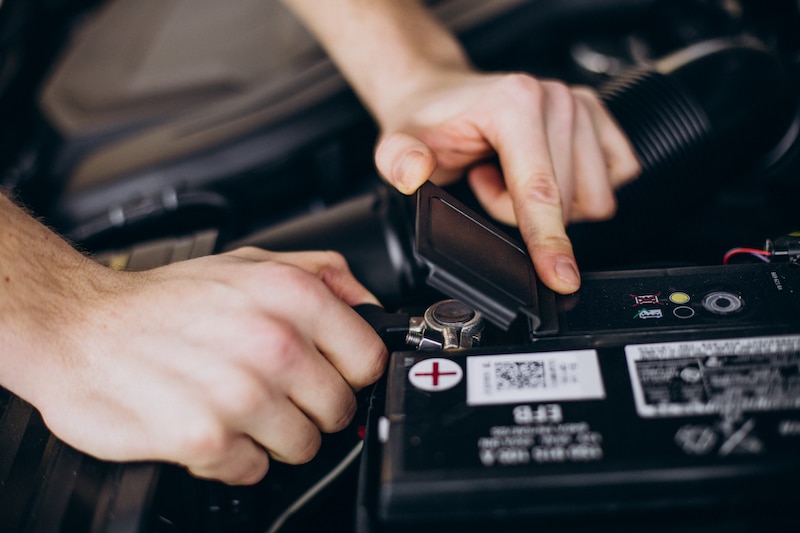
Have you realised that car batteries play a pivotal role in any vehicle? They help your car get moving. But many drivers ignore them until the car won’t start anymore.
In Australia, this issue often appears sooner than expected. Hot weather, short trips, and heavy traffic all put extra pressure on your battery. Over time, that takes a toll.
Understanding your car battery life is important—don’t wait until problems appear. If your car starts causing trouble, services like Express Cash for Cars offer a clean exit. You can sell your car as-is instead of spending money on repairs.
What Is the Average Life of a Car Battery?
In Australia, most car batteries last between 3 and 5 years. This is a general range, not a fixed number—some fail earlier, while others last longer.
A few factors influence how long your battery will last:
- Lower-cost batteries often wear out sooner
- Better-quality ones can last longer
- Heat can significantly reduce lifespan
Because of the climate, the average car battery life can be shorter than expected. Many drivers assume they have more time than they actually do.
If your battery is already a few years old, it’s smart to watch for early signs of wear.
Factors That Affect Car Battery Life
Every battery ages differently depending on how you use your car. Several factors affect car battery life expectancy:
Heat and Temperature
High temperatures affect the inside of a battery. Over time, this shortens its lifespan.
Driving Patterns
Frequent short trips don’t give the battery enough time to recharge properly, which gradually weakens it.
Power Usage
Using air conditioning, charging devices, and built-in tech adds extra load to the battery.
Battery Quality
Some batteries are built to last longer than others. Cheaper ones tend to fail earlier.
Type of Vehicle
Newer vehicles use more electronics, increasing demand on the battery.
Signs Your Car Battery Is Near the End of Its Life
If you’re checking your car battery life, there are warning signs you shouldn’t ignore. Most batteries don’t fail instantly—they show symptoms first.
One common sign is a slow engine crank. When you start the car, the engine struggles and feels sluggish.
Another sign is the battery warning light on your dashboard. If it stays on, your car is indicating an issue.
You may also notice dim headlights, especially at night or while idling. This can indicate a weakening battery.
Electrical issues are another clue. Power windows slowing down, radio glitches, or flickering dashboard lights can all point to battery problems.
Finally, a rapid clicking sound when starting the car is a classic sign. If the engine won’t turn over, your battery may be near failure.
The best approach is not to wait for complete failure. Test your battery early—it’s easier and cheaper than dealing with a breakdown.
How to Check Your Car Battery Life
You can check your car battery life yourself with a few simple steps.
First, open the bonnet and inspect the battery. Look for corrosion, cracks, or leaks. If anything seems unusual, there may be a problem.
Next, use a multimeter if you have one. A healthy battery should read around 12.6 volts when the engine is off. Lower readings may indicate an issue.
You can also observe how your car behaves. Slow starts and dim lights often signal a weakening battery.
For a more accurate result, get a professional battery test. Mechanics use proper tools to measure capacity, not just voltage.
If the battery is low, it can sometimes be recharged. But if it’s failing or near the end of its life, replacement is usually the better option.
Always be careful when handling batteries. Wear gloves if possible, avoid touching both terminals at once, and don’t lean over the battery when starting the car.
Can You Extend the Life of Your Car Battery?
A typical car battery lasts 3 to 5 years, but your habits can influence its lifespan.
To extend battery life, adjust your driving patterns. Avoid frequent short trips and take longer drives occasionally to allow proper charging.
Don’t let the battery fully drain. Leaving lights on or not driving for long periods can shorten its life.
Keep the terminals clean. Corrosion can disrupt the connection, so occasional cleaning helps.
In hot climates, parking in the shade or a garage can slow down battery wear.
Regular maintenance also helps. Check your battery periodically, clean it if needed, and test it at least once a year.
When Is It Not Worth Replacing the Battery?
If your car is older and has multiple issues, replacing the battery may only delay bigger problems. Repair costs can quickly add up.
If several components are failing—such as the engine or transmission—it may not be worth fixing everything.
Repeated battery issues can also signal deeper electrical problems, which are often expensive to repair.
At that point, it’s worth asking whether keeping the car makes financial sense.
Sell Your Car Instead of Replacing the Battery
If your battery keeps failing and the car becomes a burden, selling it may be the smarter option.
Services like Express Cash for Cars accept vehicles in any condition, including those with dead batteries. You don’t need to repair anything first, and car removal is usually free.
It’s a fast and simple way to get rid of a problematic car while still getting paid.
How Much Can You Get for a Car with a Dead Battery?
The value depends on factors like age, make, model, condition, and usable parts. Even with a dead battery, buyers still consider the overall vehicle.
With services like Express Cash for Cars, you could receive up to $8,999 depending on your car’s condition. Even non-running vehicles can still have value.
The easiest way to find out is to request a quote. It only takes a few minutes to see what your car is worth.
Final Thoughts on Car Battery Life
Car batteries don’t last forever. Most will work for a few years before showing signs of wear. Slow starts, dim lights, and electrical issues are early warnings.
If you act early, you can avoid breakdowns. But if your car has bigger problems, replacing the battery may not be worth it. Consider your options carefully and take action while your car still has value.