 Express
It is undeniable that car repairs can quickly drain your wallet, which is why many drivers attempt DIY fixes for minor damage before taking their vehicle to a workshop. Small dents, bumper scrapes, and light scratches are often seen as manageable jobs. In some cases, simple repairs work well and can save money. However, what starts as a straightforward fix can quickly become a longer and more expensive process than expected.
Understanding which repairs are worth tackling yourself and when it makes more sense to sell the vehicle can help you avoid unnecessary stress and expense. This guide covers some of the most common DIY car repairs and explains when moving the car on may be the better option.
Why More People Are Attempting DIY Car Repairs
There are several reasons why more people are choosing DIY car repairs. The biggest advantage is cost savings, particularly when dealing with minor cosmetic damage. Online tutorials, step-by-step videos, and affordable repair kits have also made DIY repairs more accessible than ever.
However, it is important to know where to draw the line. While some repairs are straightforward, others can quickly become more complicated and time-consuming than expected. Understanding the limits of DIY repairs can help you avoid costly mistakes.
DIY Dent Repair: Is It Worth Trying?
In many cases, yes. Small dents that have not cracked the paint are often worth attempting yourself, particularly when the damage is shallow and located on a flat section of the panel. Many car owners use simple tools such as dent pullers to remove minor dents without visiting a repair shop.
However, DIY dent repair has its limits. Deep dents, heavily damaged panels, and dents located near body lines are much harder to repair properly. These jobs often require specialised tools and professional experience to achieve a quality finish.
DIY Car Bumper Repair: Can You Do It Yourself?
Scratches, scuffs, and minor marks are common bumper problems. Because bumpers are among the most frequently damaged parts of a vehicle, small cosmetic issues can often be repaired at home using basic repair products and a little patience.
Most DIY bumper repairs involve cleaning the damaged area, sanding the surface, filling any imperfections, and repainting the bumper to blend with the rest of the vehicle. However, if the bumper is cracked, severely dented, or has structural damage, it should be repaired or replaced by a professional.
DIY Car Body Repairs: What’s Realistic?
When the damage is purely cosmetic, many body repairs are realistic to complete at home. Small paint chips, light scratches, minor rust spots, and shallow dents are often manageable with basic tools and repair products.
However, professional repairs are essential when the damage affects the vehicle’s structure, frame, or major body panels. These repairs require specialised equipment and directly impact vehicle safety.
Poor-quality body repairs can also reduce your car’s resale value. Uneven paint, visible repair marks, and untreated rust often become more noticeable over time and may create bigger problems later on.
Car Window Repair DIY: Can It Be Repaired at Home?
In some cases, yes, but it depends on the extent of the damage. Small stone chips and minor marks can often be repaired using a DIY windscreen repair kit, especially when the damage is treated early before it has a chance to spread.
Most repair kits work by injecting a clear resin into the damaged area to seal the chip and prevent further cracking. However, DIY repairs have their limits. Once a crack becomes larger, reaches the edge of the glass, or sits within the driver’s line of sight, replacing the windscreen is usually the safest option.
The Real Cost of DIY Car Repairs
Many DIY repairs seem affordable at first, but the actual cost is often higher than expected. What starts as a simple fix can quickly turn into multiple trips to the auto parts store for extra supplies, tools, or paint.
There is also the time involved in watching tutorials, preparing the repair area, and trying to achieve a professional-looking finish. Even with the best intentions, things do not always go to plan.
If something goes wrong, the repair can become even more expensive. Mismatched paint, visible repair marks, or accidental damage may result in professional repairs that cost more than fixing the original problem.
Sell Your Damaged Car Instead of Pouring Money Into Repairs
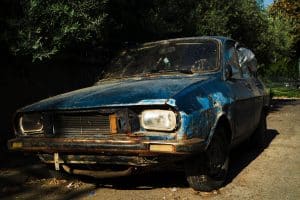
There comes a point when repairing a damaged car no longer makes financial sense. In these situations, selling the vehicle as-is is often the better option.
Many Australians choose cash for cars services instead of dealing with expensive repair bills, ongoing maintenance costs, or the hassle of finding a private buyer.
Reliable companies such as Express Cash for Cars Sydney buy vehicles in almost any condition, including accident-damaged, dented, non-running, and older cars that have reached the end of their useful life.
The process is simple. Request a free quote, choose a suitable pickup time if you accept the offer, and get paid when the vehicle is collected. Best of all, vehicle removal is included at no extra cost.
Know When It’s Time to Stop Repairing
DIY repairs can work well for minor cosmetic issues such as small dents, light scratches, and bumper scuffs. However, when the damage becomes more serious, repair costs can quickly add up, especially on older vehicles.
Before committing to expensive mechanical or body repairs, it is worth finding out what your car is worth in its current condition. A quick quote from Express Cash for Cars can help you decide whether repairing or selling is the better option.